Shadow Puppets: The Power of Shape in Photography

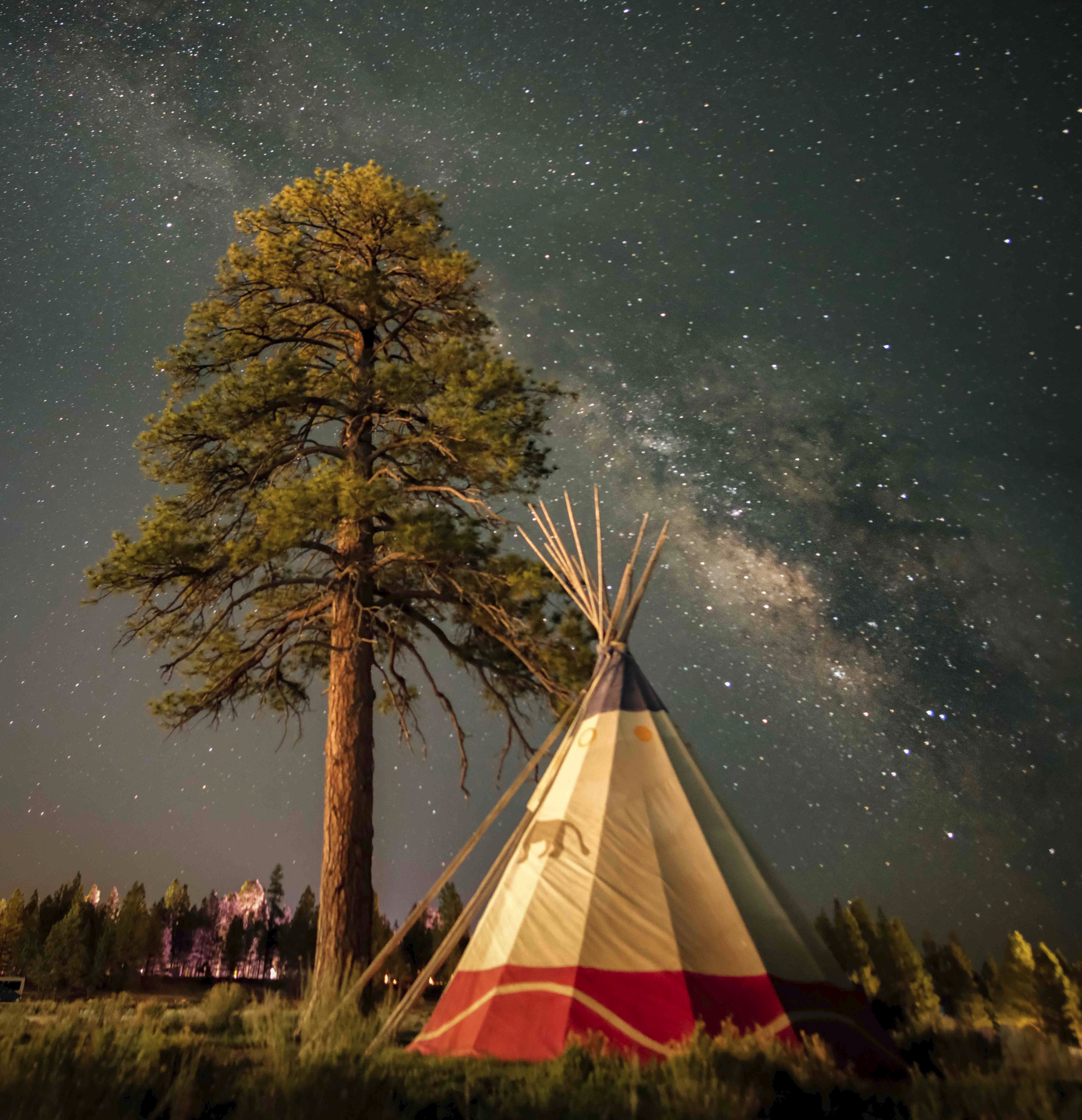
It dips below freezing at night in early spring at Bryce Canyon, so we paid an extra ten dollars to upgrade from our tent to a teepee, hoping it would keep us warmer.
It didn’t.
While temperatures dropped outside, my daughters snuggled into their sleeping bags and played with flashlights.
Lying on their backs, they turned the canvas teepee into a shadow-puppet stage.
They used some of the same elements artists use (value and shape) to make shadow characters and create a show filled with hilarious antics.
Of course, in the moment, I wasn’t thinking about how powerfully my daughters were using the element of shape. I was just laughing along with them, and trying to keep warm as a skim of ice formed outside.
Shape as a Building Block of Visual Language
In this series, we’re applying the seven elements of art and design to photography.
The elements are the basic building blocks of visual composition.
This time, we’re focusing on shape as a simple but powerful element of visual art.
The Constraint of Reality: Finding Shape Instead of Inventing It
Like other artists, photographers begin with a blank canvas.
But photography presents a unique challenge.
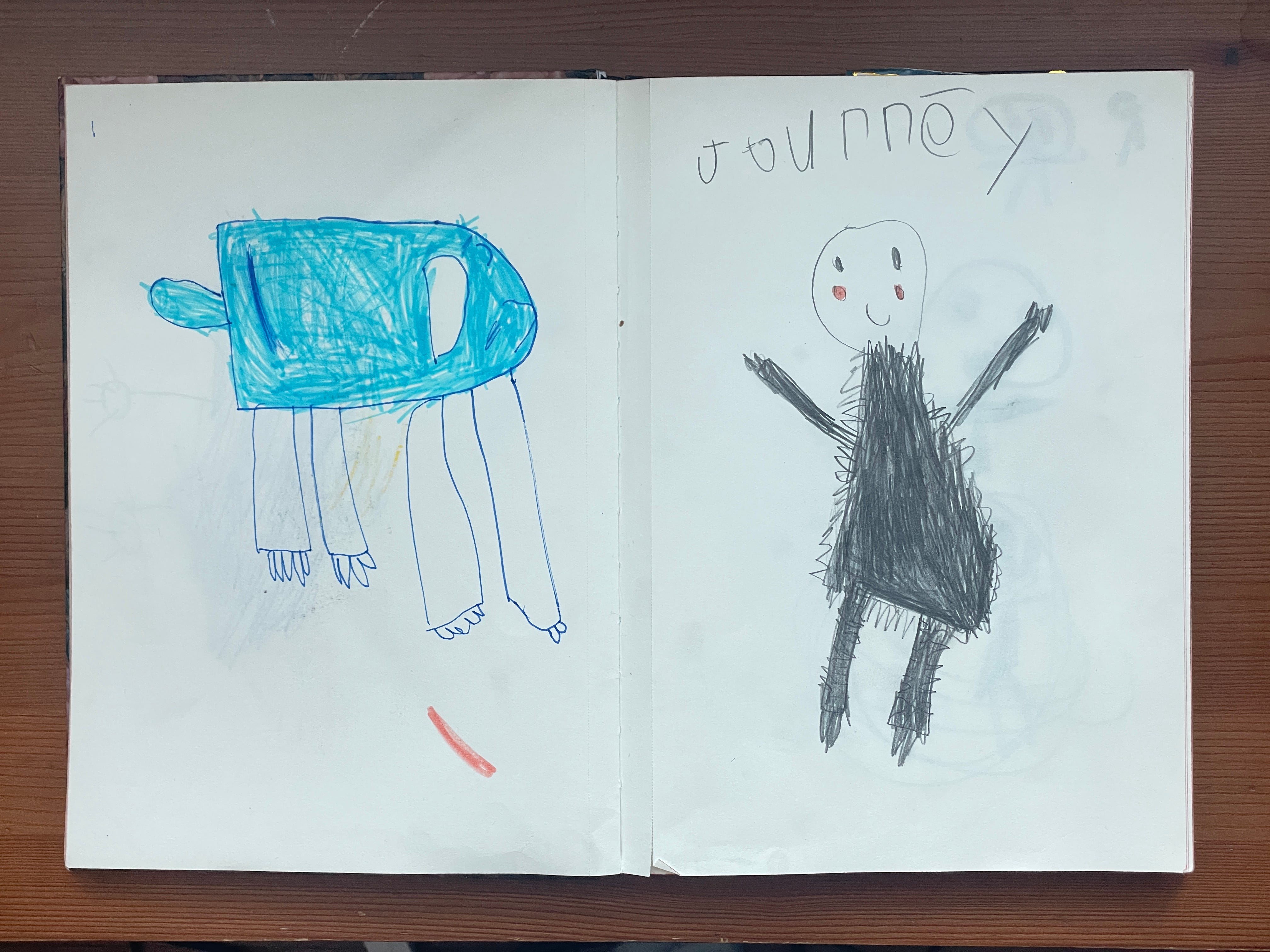
While my daughter is free to draw whatever she wishes, physical reality constrains us photographers.
Photography points a mirror toward the outside world and records what’s actually there.
Since we can only photograph what exists, we have to find the elements of art in the world around us.
Big blue, rectangular dogs don’t exist, but our world is filled with things that do.
Elements such as lines, shapes, values, and textures are already there. We just need to notice them, isolate them, and use them intentionally.
Seeing the World as Shapes Instead of Objects
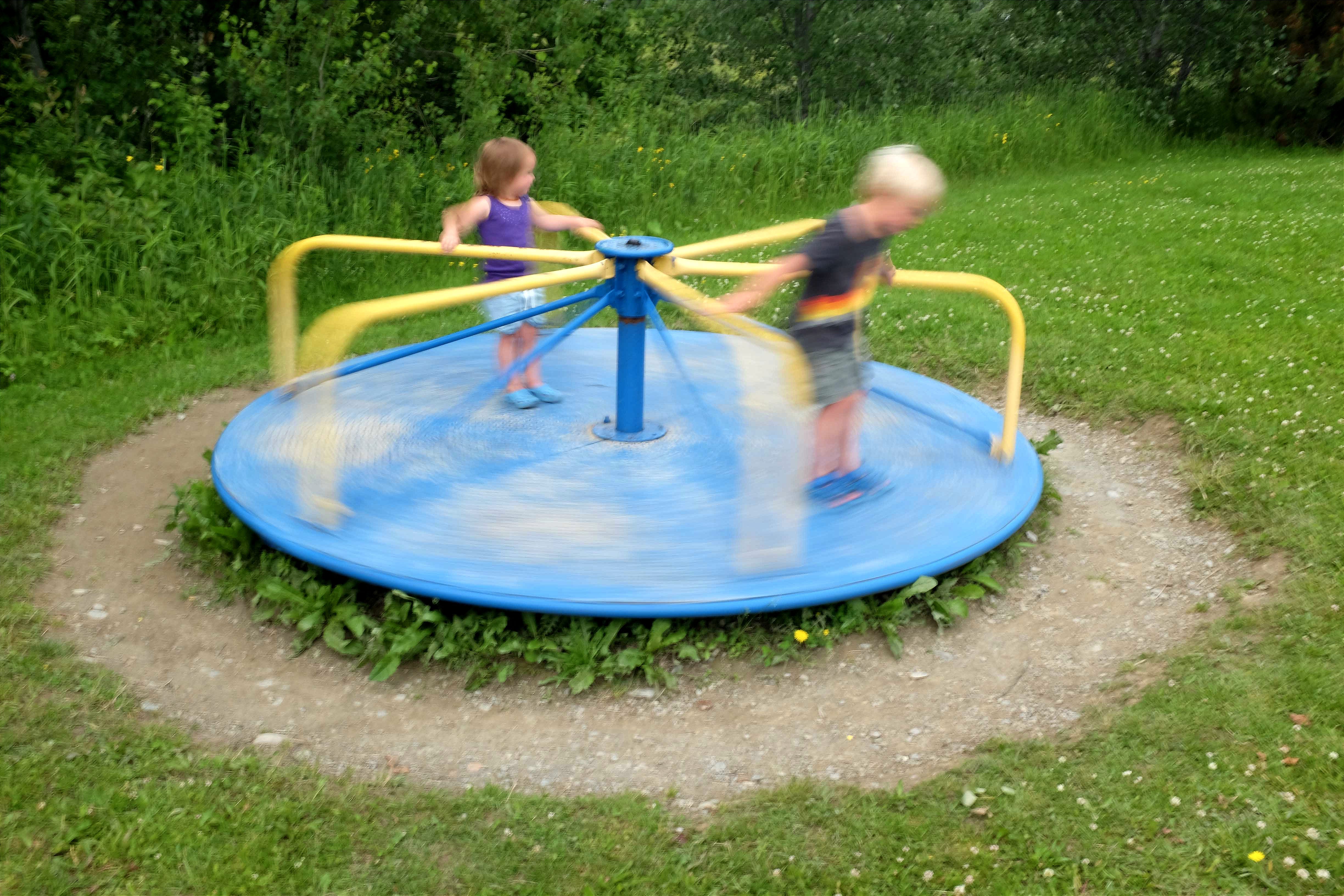
No matter where you go, shapes are everywhere.
Step out your door, and the organic shapes of vegetation, rocks, and clouds fill the world.
Geometric shapes of everyday objects and architecture fill our homes and city centers.
It’s easy to find shape in the real world. The question is whether you’re using those shapes intentionally or letting them appear random in your photographs.
It helps to stop thinking of a tree as a tree and instead see it as a shape within the frame—something with visual mass and attraction.
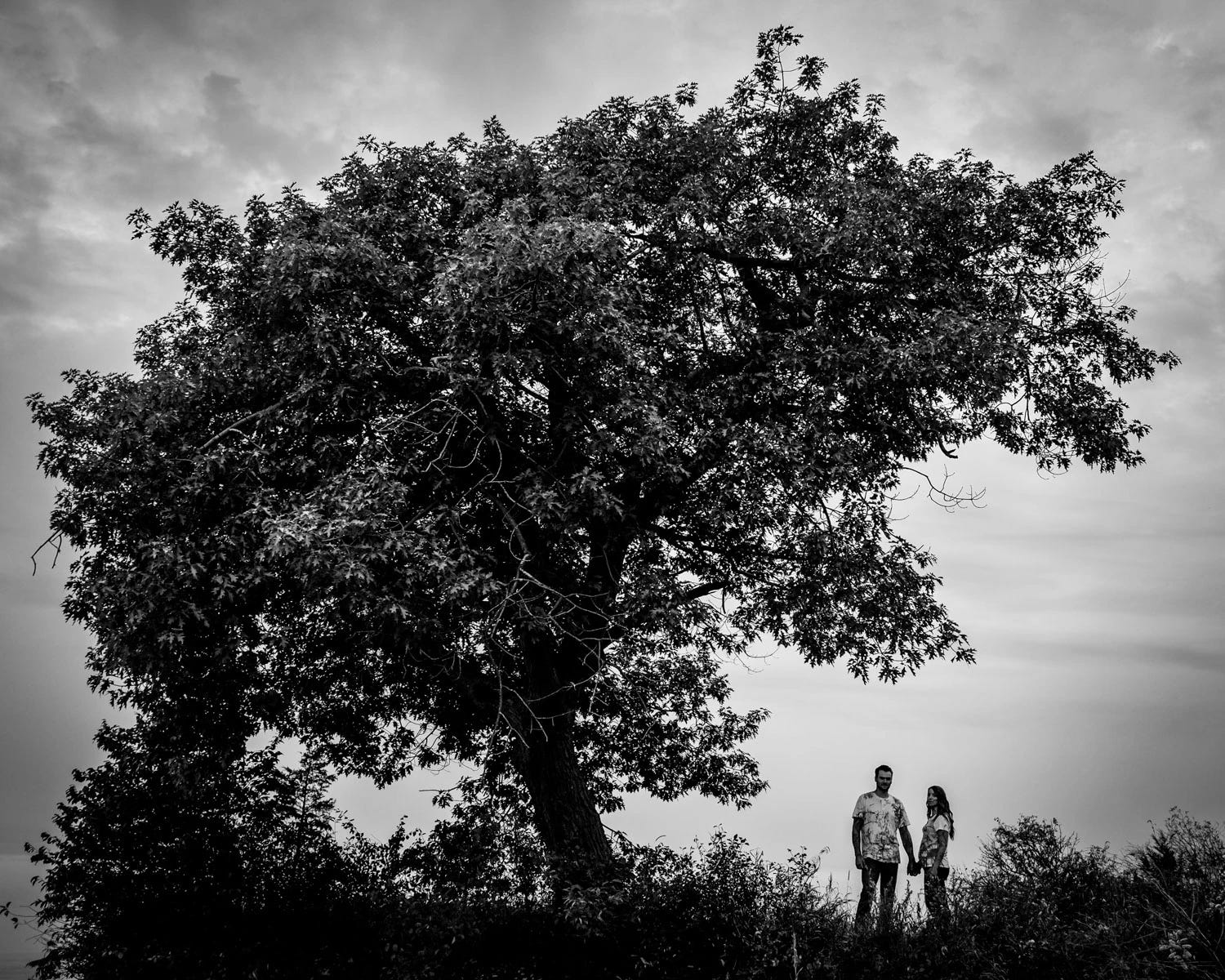
When you’re drawn to a shape, whether organic or geometric, explore how it functions inside the composition.
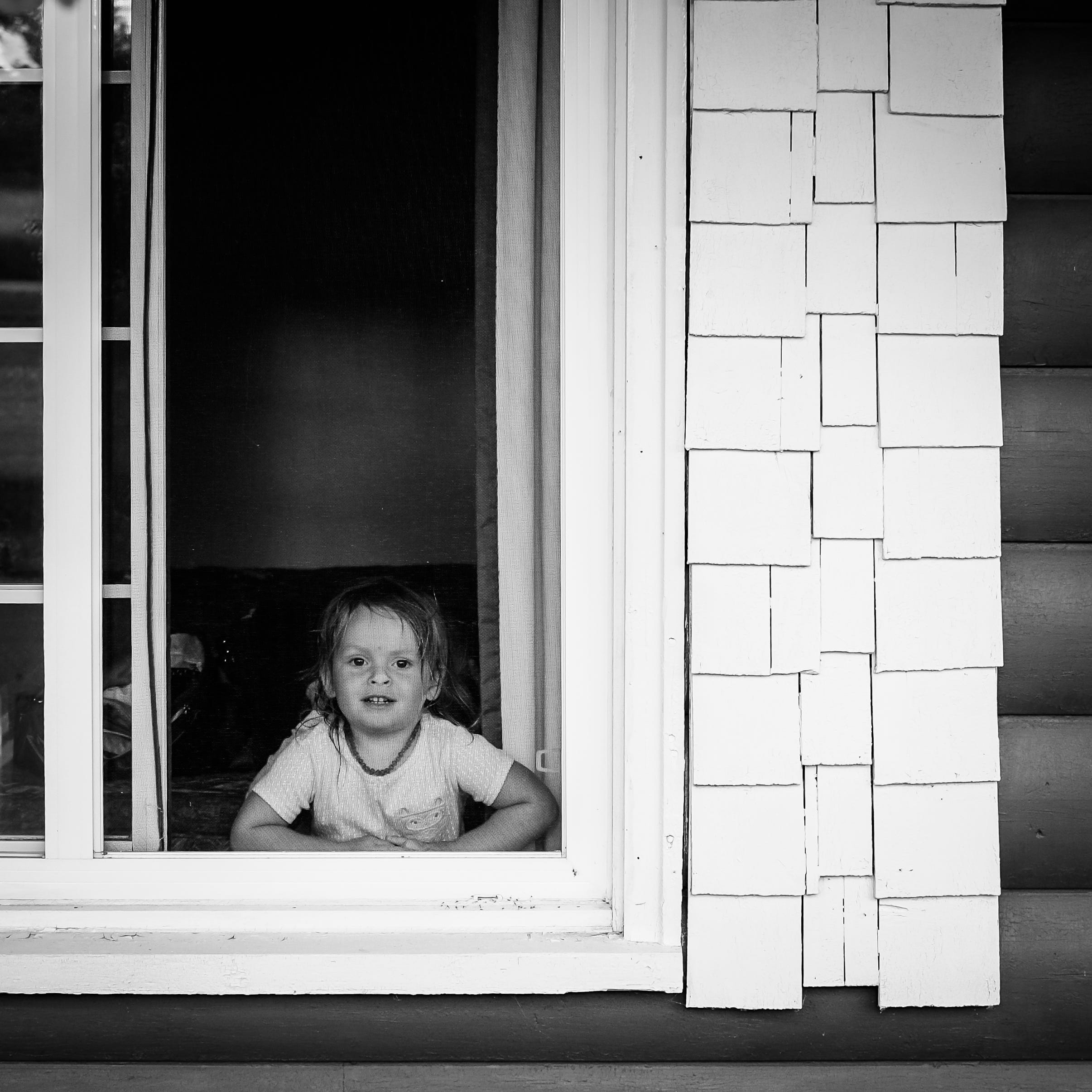
When Shape Shines—and When It Doesn’t
Sometimes you just want to take photos without overthinking.
But if you look back at some of the photos you love, you may realize that in many of them, a shape is what makes them interesting.
As I sift through countless photos to show you a few that illustrate the elements, I realize that only a few of them have clear-cut shapes. In those photos, something else shines. We’ll get to that eventually, but it may be value (light and dark), texture, or another element doing the heavy lifting.
Shape is merely one element, and it may or may not be the one that shines in the photos you consider good.
Implied Shapes: Structure Without Obvious Lines
Many organic shapes share subtle similarities with geometric shapes.
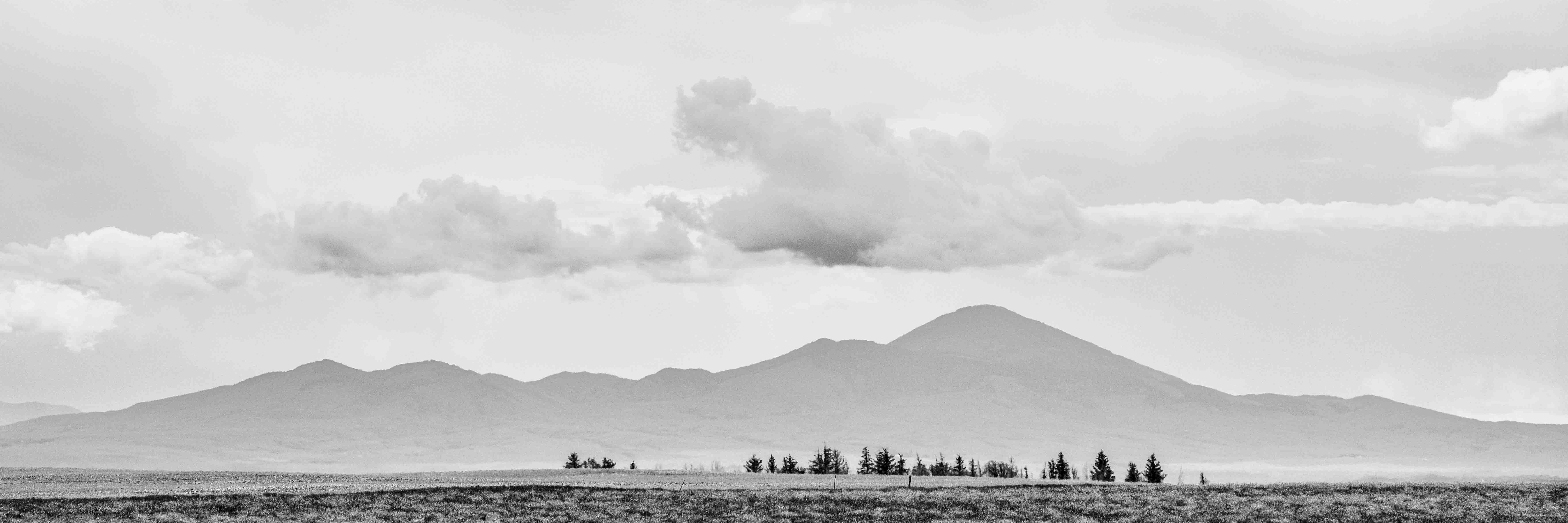
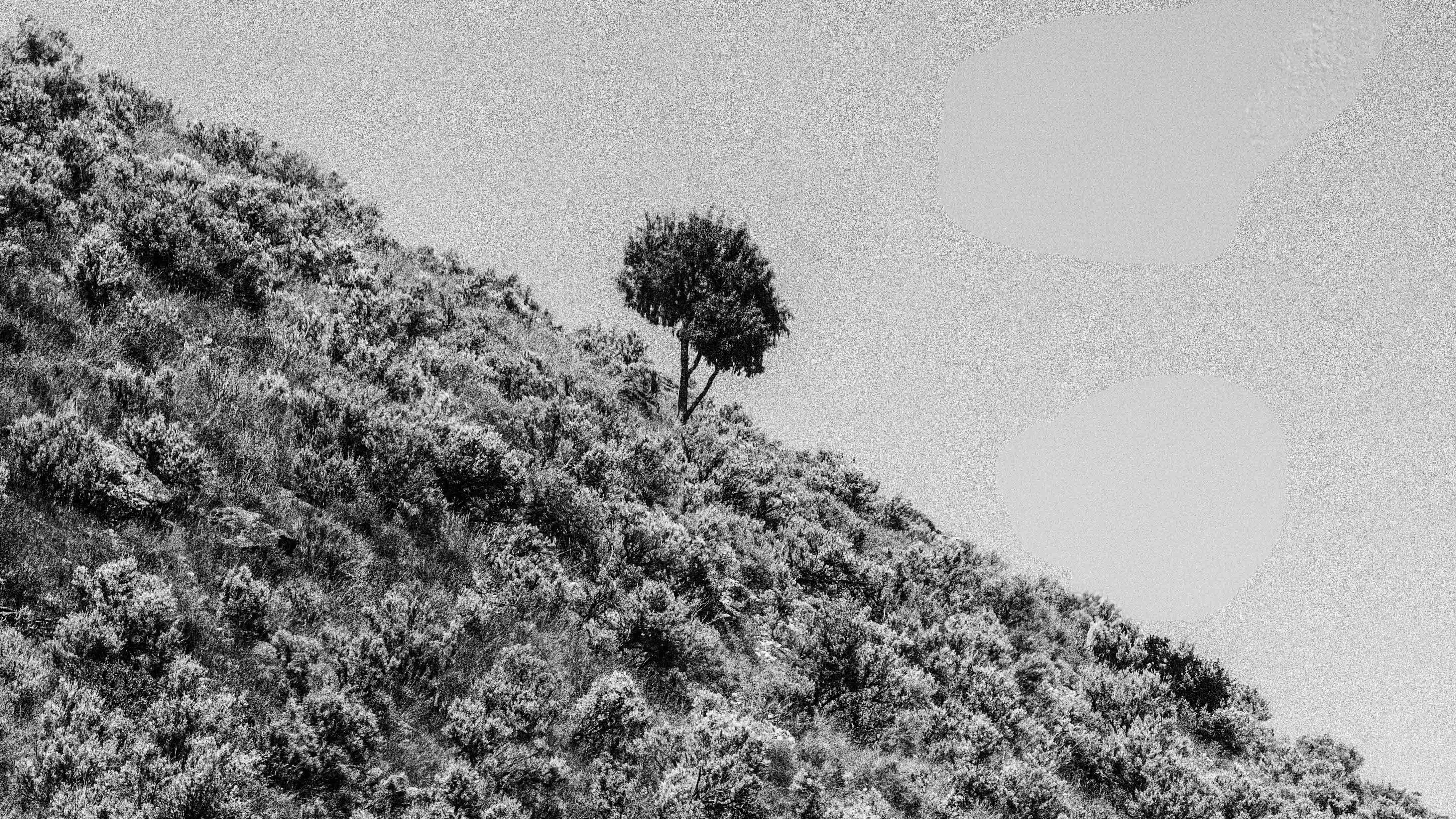
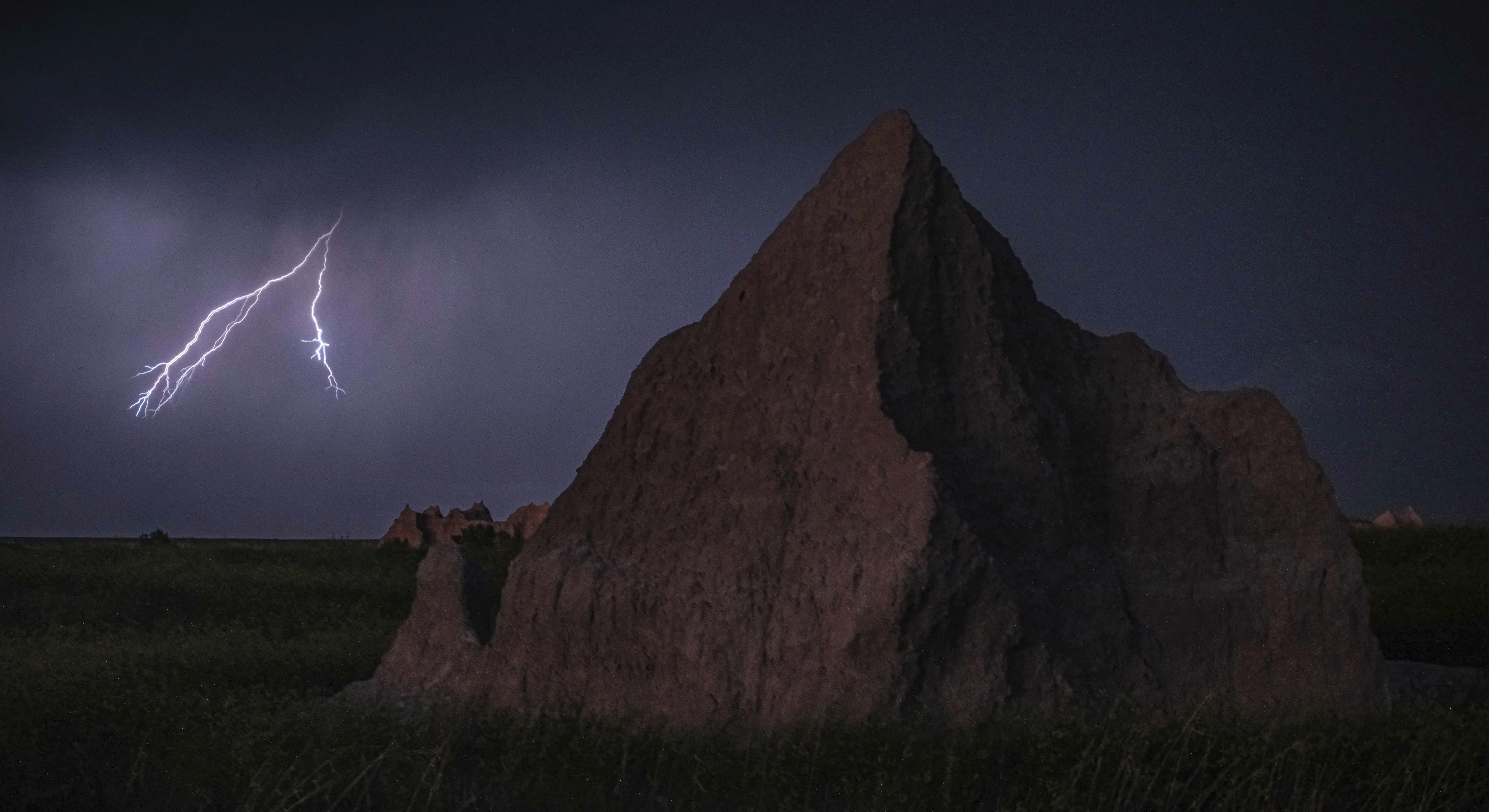
Echoes and Repetition: When Shapes Reinforce Each Other
The rock formation and the lightning strike each take on a rectangular shape, with the lightning briefly echoing the rock’s form.
From Shape to Movement: Building Larger Principles
Just as my daughters used shapes to put on a shadow puppet show, photographers can use shapes to build something larger with their images.
We can use the element of shape to achieve larger principles such as movement (flow), contrast, and balance.
The elements of art give us the raw materials of visual composition.
The principles of art help us organize those elements to create our work.
The principles include:
Balance
Emphasis
Movement
Pattern
Rhythm
Contrast
Unity/Variety
Movement in photography isn’t about elements actually moving, but about how the viewer’s eye moves through the frame.
Use lines and shapes to create the impression of movement in a photograph.
Take this photograph of four kids on a beach planting a flag. If you trace the space they occupy, a triangle appears.

That triangular shape becomes a visual path pulling the eye upward, so we feel the flag’s motion even though the picture is still.
The elements of line and shape contribute to the principle of movement.
Slow the Scroll: Shape as a Doorway Into Participation
Most photographs are viewed in an instant; we glance, take in the subject, and scroll on.
But when movement is built into the frame, the viewer can’t just grab the information and go—they’re drawn in to participate imaginatively, turning a quick glance into a captivating experience.
Shape often becomes the doorway into that participation. A strong or implied shape slows the eye just long enough for the viewer to move through the frame instead of past it.
Implied shapes, leading lines, and value or colour contrasts draw the viewer through the picture and make them feel the moment rather than simply see it.
By noticing these elements in the real world and composing around them, photographers turn ordinary encounters into intentional works of art.
Chaos and Isolation: When Shape Disappears or Dominates
Open your eyes, and you will see shapes everywhere. This, of course, can be a problem.
Most photos—especially the ones I love—are absolute chaos when it comes to shape.
And chaos is okay when there are so many shapes that none really stand out. In those photos, it may be value, texture, or another element you’re relying on.
When you truly isolate shape, it stands out. And that’s usually when it’s either all shape or chaos.
Reducing Detail: The Power of the Silhouette
The photos I love most feature people.
But the human form is full of detail—hair colour, eye colour, facial features, clothing. These can distract from what matters.
Sometimes all you need is the shape of a person.
Photograph the human form as a silhouette, and you reduce that detail into a recognizable shape.
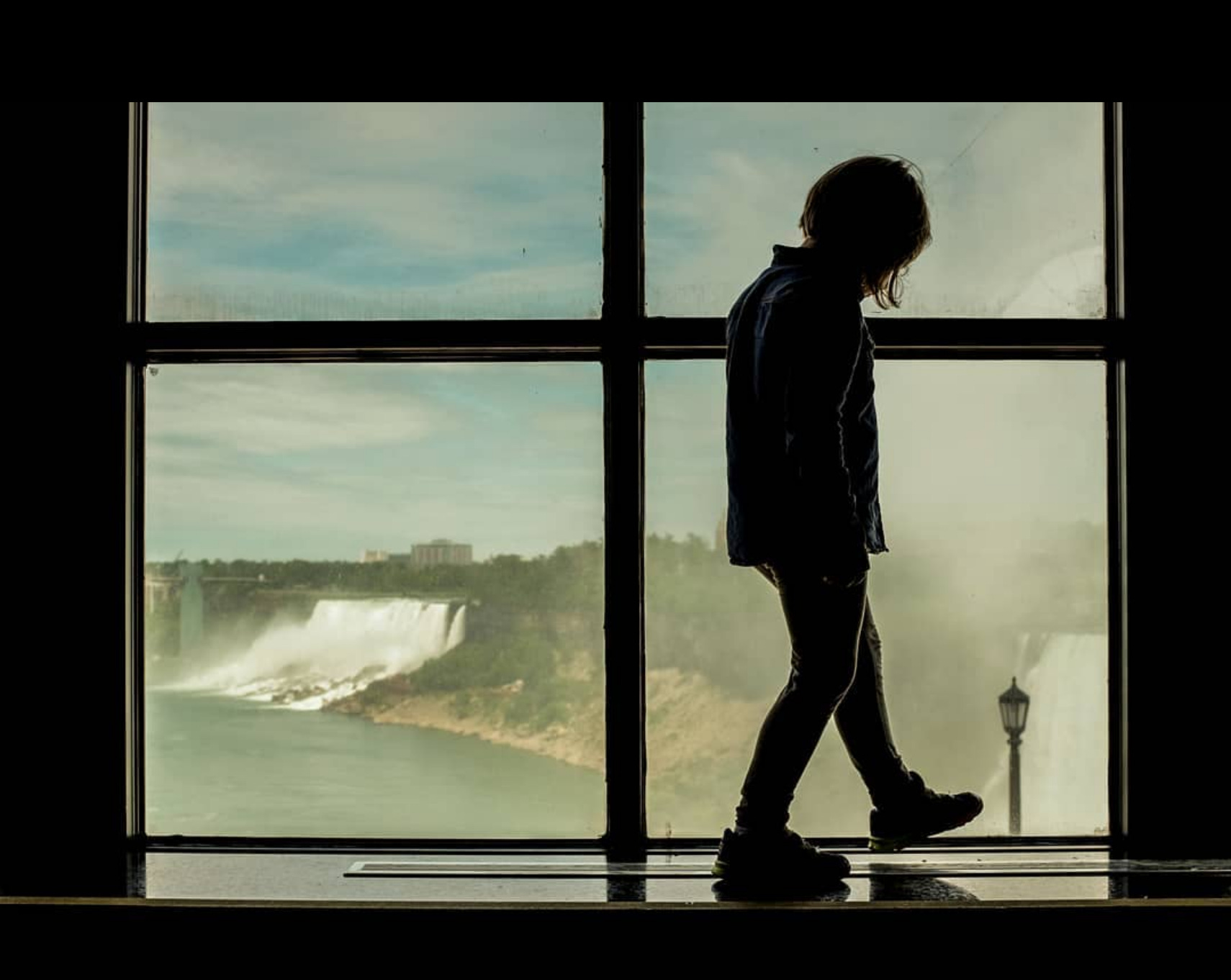
A silhouette is lo-fi, lacking detail and leaving room for imagination to fill the gaps.
Complexity falls away. The silhouette creates mystery and takes on a personality of its own.
By photographing a silhouette, we spark deeper imagination simply by removing overwhelming detail.
This is the power of a simple element like shape.
Shadows: Abstract Shapes That Invite Imagination
Like silhouettes, shadows are organic shapes defined by value—darkness.
They’re more challenging to work with, but there is so much opportunity in that challenge.
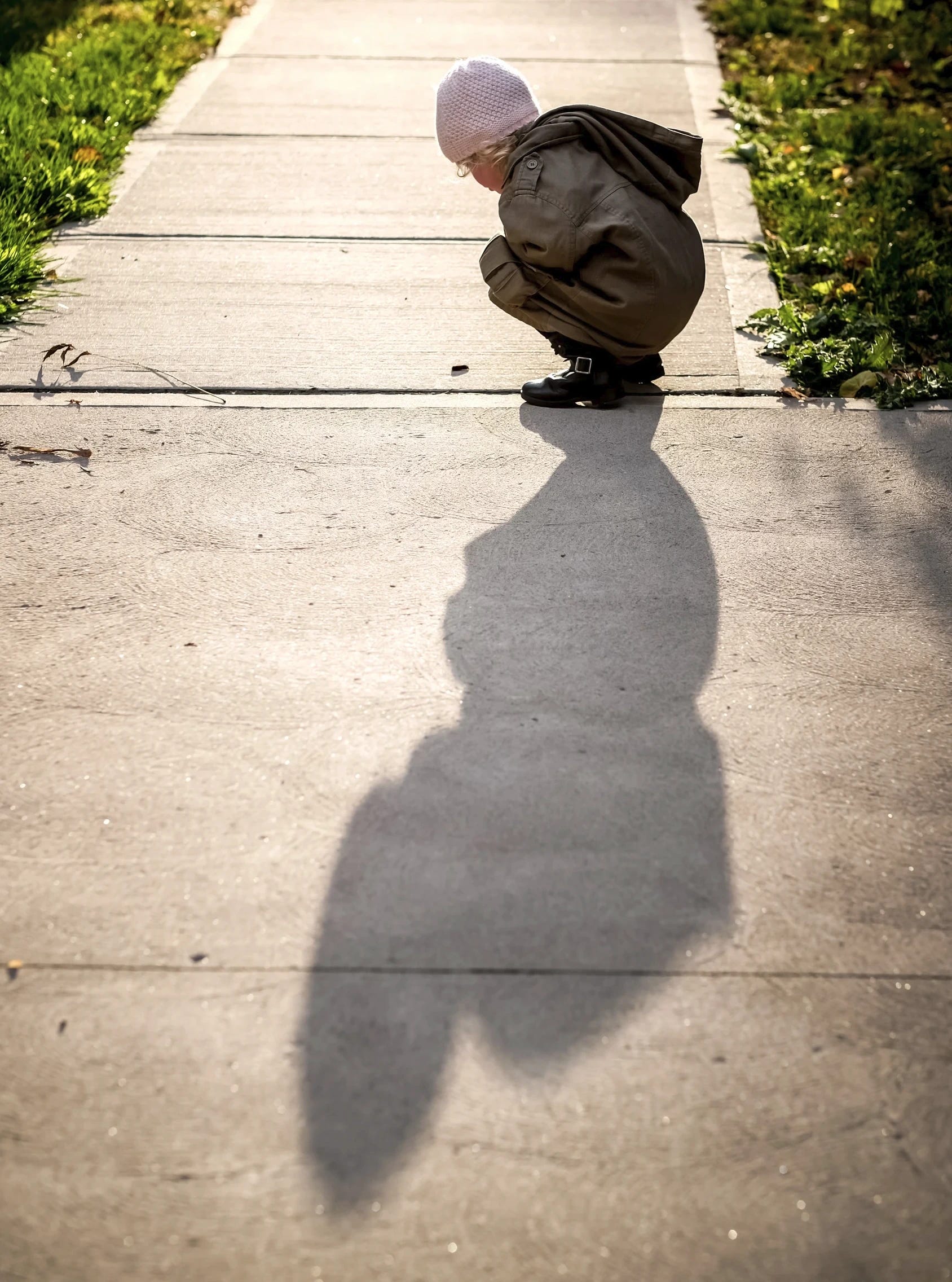
The Shadow as Canvas: Where Meaning Is Made
When we see a person in detail, we interpret them literally. Expression, posture, and clothing tell us exactly what we’re looking at.
A shadow works differently. It’s incomplete and becomes a canvas for intuition, fantasy, and possibility.
Shadows are similar to silhouettes, but more abstract.
Participation and Meaning: When Reduction Invites the Viewer In
It’s easy to scroll endlessly through images online because most photographs provide everything at a glance. We grasp them in a split second and move on.
Less detail encourages imagination. Shape—especially when simplified into a silhouette or shadow—becomes a doorway rather than a conclusion. It gives us enough to recognize what we’re seeing, but not so much that our imagination has nothing left to do.
The more a photograph invites the viewer and thoughtfully directs that engagement, the more meaningful the experience becomes.
Shadows and silhouettes work well because they are familiar enough to identify, yet abstract enough to evoke mystery.
Training Your Eye Beyond the Camera
I don’t often photograph shadows.
But this is one of those moments where training my eye to notice the elements of art in the real world sparks my imagination right in the middle of everyday life—even when the camera’s in another room.
The more I think of shadows as lo-fi shapes, the more my imagination wants to pour something into them.
Just like my daughters in the teepee.
And this is exactly what photography, as a natural art, trains us to do.
A Moment of Recognition
I lay there in the teepee, watching my daughters put on a puppet show by taking a couple of elements of art, shape and value, and use them to create something funny.
No, I wasn’t thinking specifically about the elements of art. When we do our job well, the elements blend in.
But what I did think was how utterly beautiful it was to see my children create such spontaneous joy with something so experientially simple. A dark shape on canvas became a doorway, and their imagination rushed through it.
They don’t yet register the chaos of the world around them. It’s coming. But in that moment between, you and I can re-embrace that simplicity with them.
Cherish it for them.
And be ready to hand it back when they are ready to need it.

Mat writes from Ontario, Canada. He’s a long-time photographer and teaches a variety of art and humanities courses at a community college.
I found all of this very useful, thank you for sharing!